-
-
-
-
-
Hinge ProtectorsIndustrial Quality Hinge and Fingers Guards in various sizes VIEW
-
BEA Safety SensorsA range of safety light curtains for the ultimate choice in safety solutions VIEW
-
-
-
-
-
New Installations
-
Bea LZR SensorsAdvanced Safety Devices
-
-
-
-
-
-
-
New Installations
-

-
-
-
-
-
-
Bollards by optionsBollards by type: Automatic Bollards Fixed Bollards Manual Gas Bollards
Bollards by height: 500mm 600mm 700mm 800mm 1200mm -
Bollard BundlesNo product available
-
-
Bollard & more


-
-
-
-
-
Ozak Turnstiles


-
Contact for More InfoWe have more coming daily or if you cant find what you want online please contact our team now.
-
-
-
-
-
Enquire TodayFor World Class Parking Systems or replacement parts and accessories for CAME PARKARE range, please contact us.
-
-
-
-
-
-
Locks
- Bolt-on locks for metal gates
- Fire Brigade Locks
-
Gate locks and latches
- Bolt-on locks for metal gates
- Fire Brigade Locks
- Gate-lock handles and replacement spindles
- Locinox gate locks
- Mechanical combination gate locks
- Mortice and insert gate locks
- Quick-exit gate locks with push-pad release
- Sliding gate locks and latches
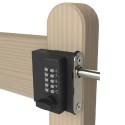
- Surface-mounted gate locks for timber gates
- Weld-in gate locks
- Gate-lock handles and replacement spindles
- Locinox gate locks
- Mechanical combination gate locks
- Mortice and insert gate locks
- Quick-exit gate locks with push-pad release
- Surface-mounted gate locks for timber gates
- Weld-in gate locks
-
-
-
-
Popular Locks

 Gatemaster Superlock Bolt... Frame Size-10mm - 30mm, Keyed Alike-No, Handle-Traditional Handle(1)£61.03 £76.32 -20.04%
- -20.04%

-
-
-
-
-
-
-
Popular Hardware


-
-
-
-
-
For Sliding Door HardwarePlease enquire today, stock has already arrived and products will be listing online shortly. Enquire and order by contacting us today
-

-
-
-
-
-
-
-
-
-
Popular Intercoms
 BPT MTM CONNECT 4G GSM... Call Buttons-1 Button, Power Supply-Not Included£537.26 £767.52 -30%
- -30%
 VIDEX 4000 SERIES GSM PRO... Call Buttons-1 Button, Recess-Surface Back Box£767.84 £877.54 -12.5%
- -12.5%
-
-
-
-
-
Videx Security Products
-
-
-
Videx Kits
VIDEX 4000 SERIES GSM PRO... Call Buttons-1 Button, Recess-Surface Back Box£767.84 £877.54 -12.5%
- -12.5%
 VIDEX 4000 SERIES AUDIO... Call Buttons-1 Button, Receivers-1 Receiver, Access Control-Keypad, Recess-Surface Back Box(1)£350.08 £400.09 -12.5%
- -12.5%

-
-
-
-
-
-
Product HighlightsQuick Links
-
BPT Intercoms
BPT MTM CONNECT 4G GSM... Call Buttons-1 Button, Power Supply-Not Included£537.26 £767.52 -30%
- -30%


-
-
-
-
-
-
-
Shop by Category
-
Shop Came SparesShop spares for Came Products
-
-
-
Shop by range
- Amico Range
- ATS Range
- BY-3500T Range
- CAME ATI gate motors, kits and spare parts
- CAME AXI Range
- CAME AXL Range
- CAME AXO gate motors, kits and spare parts
- CAME BK and BKS motors, kits and spares
- CAME BKV Range
- CAME BX motors, spares and model identification
- CAME BXL Range
- CAME BXV and BXV Plus motors, kits and spares
- CAME Fast gate motors, kits and spare parts
- CAME Ferni gate motors, kits and spare parts
- CAME FROG motors, kits & spare parts
- CAME FTL Range
- CAME FTX Range
- CAME Krono Range
- Stylo Range
-
-
-
Popular products
 CAME FROGAE-P24 ELECTRIC... Came Kit Choices (FROG-P 24)-DIR Photocells + Sport Remotes + Lever Release (default)(6)£1,321.16 £2,258.40 -41.5%
- -41.5%


-
-
-
-
-
-
Shop BFT SparesShop for BFT motor spares
-
-
Shop by range
- Ares Range
- BFT ELI and ELI 250 motors, kits and spares
- BFT LUX hydraulic gate motors, kits and spares
- BFT PHOBOS motors, kits & spare parts
- BFT SUB and SUB R gate motors, kits and spares
- Deimos Range
- Giuno Range
- Icaro Range
- Igea Range
- Kustos Range
- Oro Range
- P4.5 & P7 Range
- SP3500 TRI Range
- Virgo Range
-
-
-
Popular Products


-
-
-
-
-
Shop Faac SparesShop for Faac motor spares
-
-
Shop by Range
- 390 Range
- 400 Range
- 402 Range
- 412 Range
- 413 Range
- 415 Range
- 422 Range
- 740 & 741 Range
- 746 ER Range
- 750 Range
- 844 Range
- 884 MC 3PH Range
- C720 & C721 Range
- FAAC 391 & 392 motors, kits & spare parts
- FAAC 770 and 770N gate motors, kits and parts
- FAAC S800H and S800 motors, kits and spares
- S418 Range
- S450H Range
-
-
-
Popular Products


-
-
-
-
-
Shop Nice SparesShop for spares for Nice Products
-
-
-
Popular Products


-
-
-
-
-
-
Popular Products
BPT MTM CONNECT 4G GSM... Call Buttons-1 Button, Power Supply-Not Included£537.26 £767.52 -30%
- -30%
 BPT MTM 4G VR GSM AUDIO... Call Buttons-1 Button, Power Supply-Not Included£611.18 £873.12 -30%
- -30%

-
-
-
more

-
-
-
-
-
-
Popular Products
VIDEX 4000 SERIES AUDIO... Call Buttons-1 Button, Receivers-1 Receiver, Access Control-Keypad, Recess-Surface Back Box(1)£350.08 £400.09 -12.5%
- -12.5%
 VIDEX 4000 SERIES AUDIO... Call Buttons-1 Button, Receivers-1 Receiver, Access Control-None, Recess-Surface Back Box(1)£148.92 £170.20 -12.5%
- -12.5%
 VIDEX 4000 SERIES VIDEO... Call Buttons-1 Button, Receivers-1 Receiver, Access Control-Keypad, Recess-Surface Back Box, Monitor-6286(1)£809.60 £899.56 -10%
- -10%
-
-
-
more
 VIDEX 8000 SERIES AUDIO... Call Buttons-1 Button, Receivers-1 Receiver, Access Control-Keypad, Recess-Surface Back Box£359.03 £377.93 -5%
- -5%
 VIDEX 8000 SERIES AUDIO... Call Buttons-1 Button, Receivers-1 Receiver, Access Control-None, Recess-Surface Back Box£136.82 £144.02 -5%
- -5%
VIDEX 4000 SERIES GSM PRO... Call Buttons-1 Button, Recess-Surface Back Box£767.84 £877.54 -12.5%- -12.5%
-
-
-